Ebola Virus Disease (EVD): What You Need to Know
Ebola Virus Disease (EVD) is one of the world’s most serious viral illnesses, known for causing severe symptoms and outbreaks in parts of Africa and other regions. While Ebola outbreaks are relatively rare, public awareness, early detection, and proper infection prevention measures remain essential in protecting communities and healthcare systems.
At Odorna Medical Centre, we believe that educating the public about infectious diseases is an important step toward promoting healthier and safer communities.
What Is Ebola Virus Disease?
Ebola Virus Disease is a severe illness caused by the Ebola virus. The disease affects humans and some animals and can spread rapidly when not properly controlled. Ebola was first identified in 1976 near the Ebola River in the Democratic Republic of Congo.
The virus is known for causing outbreaks with high fatality rates, especially in areas where healthcare systems may be under pressure.
How Ebola Spreads
Ebola spreads through direct contact with:
- Blood or body fluids of an infected person
- Contaminated surfaces or medical equipment
- Infected animals such as bats or primates
- Burial ceremonies involving direct contact with the body of an infected person
It is important to understand that Ebola is not spread through the air like the common cold or flu.
Healthcare workers and caregivers are at higher risk if proper protective measures are not followed.
Common Symptoms of Ebola
Symptoms usually appear between 2 to 21 days after exposure to the virus. Early symptoms may resemble other common illnesses, which makes awareness very important.
Common symptoms include:
Fever
Severe weakness and fatigue
Headache
Muscle pain
Sore throat
Vomiting and diarrhea
Stomach pain
Unexplained bleeding or bruising in severe cases
As the disease progresses, patients may experience dehydration, organ failure, and other life-threatening complications.
Why Early Detection Matters
Early diagnosis and supportive medical care significantly improve survival rates. Individuals experiencing symptoms after traveling to affected areas or after contact with infected persons should seek medical attention immediately.
Healthcare facilities play a critical role in:
- Identifying possible cases early
- Isolating infected individuals
- Preventing further transmission
- Educating communities on prevention
Prevention and Safety Measures
Preventing Ebola requires strong public health awareness and responsible hygiene practices.
Important preventive measures include:
- Frequent handwashing with soap and clean water
- Avoiding direct contact with blood and body fluids
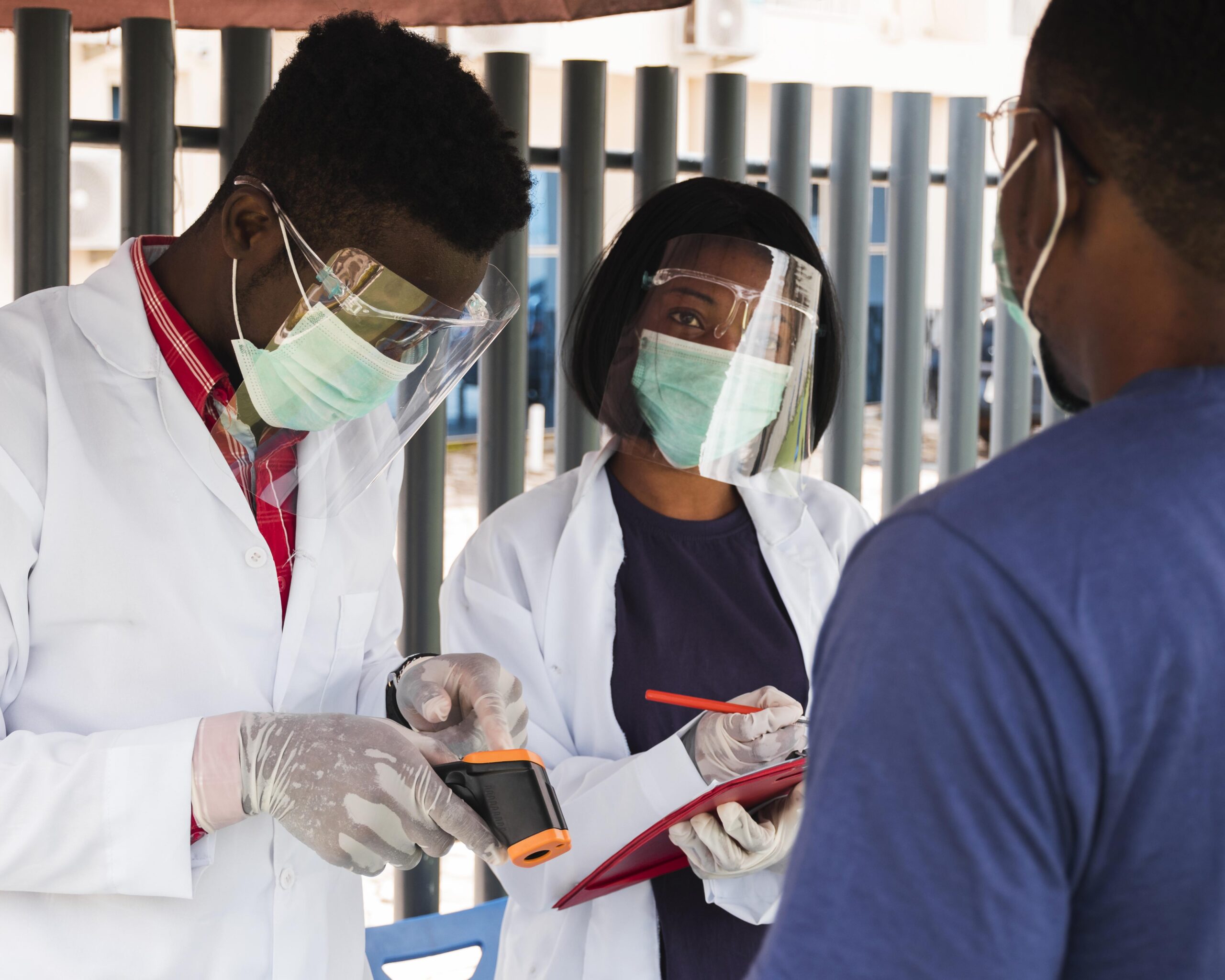
- Proper use of personal protective equipment (PPE)
- Safe handling of medical waste
- Reporting suspected cases immediately
- Avoiding contact with dead animals in outbreak regions
Travelers to affected areas should follow all public health advisories and medical guidelines.
Public Awareness Saves Lives
Fear and misinformation can spread faster than diseases themselves. Accurate information from healthcare professionals and trusted medical organizations helps communities make informed decisions and avoid panic.