Understanding Hypertension: Causes, Symptoms, and Management
Hypertension, commonly referred to as high blood pressure, is a chronic medical condition affecting millions of people globally. Often called the “silent killer,” it frequently develops without obvious symptoms, making it difficult to detect without routine check-ups. High blood pressure occurs when the force of blood pushing against the walls of the arteries is consistently too high, which can lead to severe health problems such as heart disease, stroke, and kidney failure.
Causes of Hypertension
Hypertension develops due to a combination of factors:
Genetic Predisposition: Family history can increase susceptibility.
Lifestyle Factors: High salt intake, obesity, sedentary habits, excessive alcohol consumption, and smoking contribute significantly.
Medical Conditions: Conditions such as diabetes, kidney disease, and hormonal disorders can increase the risk.
Age and Stress: Blood vessels naturally stiffen with age, and chronic stress can exacerbate blood pressure problems.
Symptoms and Early Warning Signs
Many people with hypertension do not experience noticeable symptoms, which is why regular monitoring is essential. Some individuals may experience:
Headaches
Dizziness
Blurred vision
Shortness of breath
Nosebleeds
Ignoring these warning signs can lead to severe complications, including heart attack, stroke, kidney damage, and vision loss.
Diagnosis
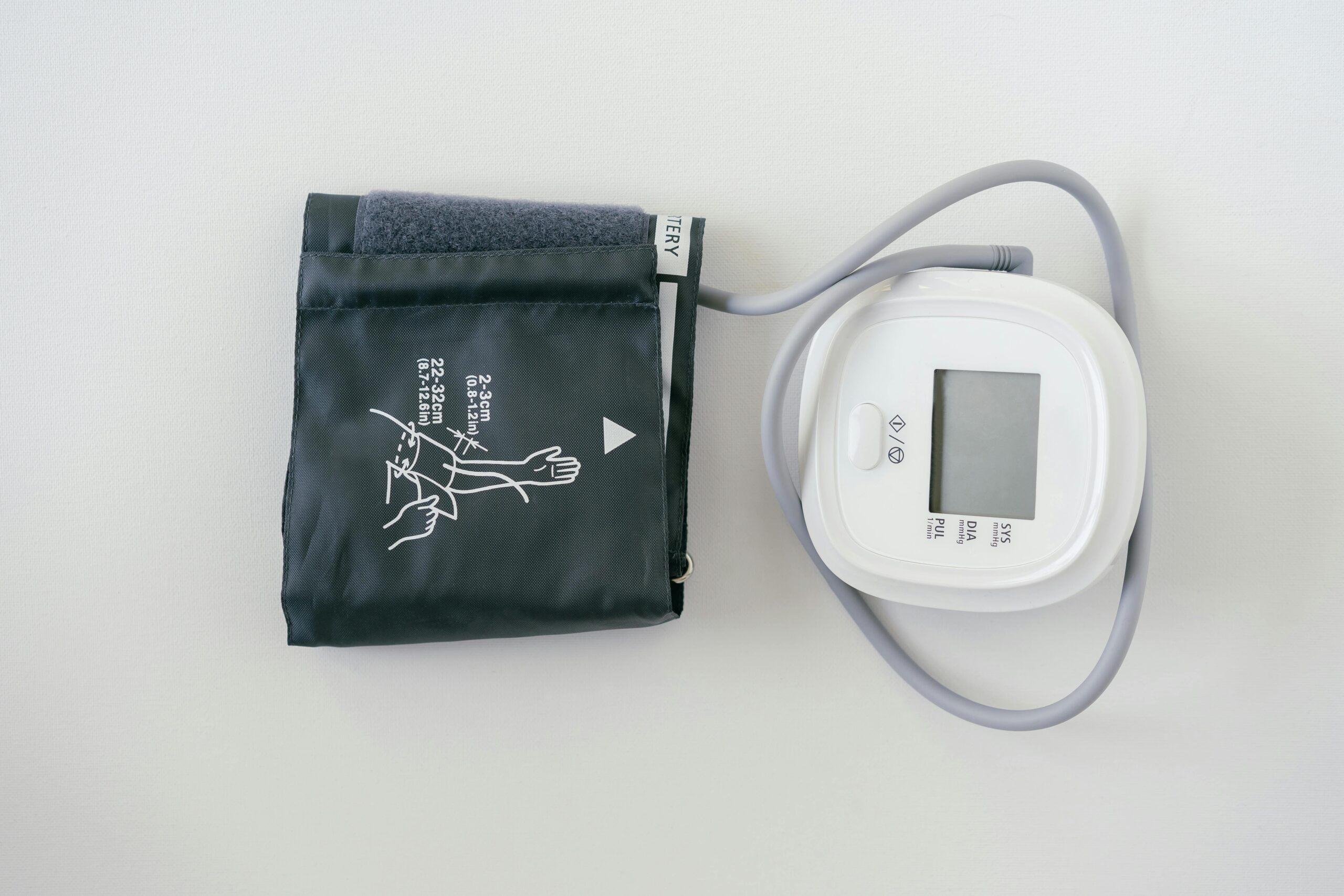
Hypertension is diagnosed through repeated blood pressure measurements using a sphygmomanometer or digital monitor. Blood pressure is recorded as two numbers:
Systolic Pressure: The pressure when the heart beats.
Diastolic Pressure: The pressure between heartbeats.
A reading consistently above 130/80 mmHg is considered high. Additional tests may include blood tests, urine tests, and ECGs to assess organ function and identify underlying causes.
Treatment and Management
Lifestyle Modifications
Lifestyle changes are the first line of defense:
Healthy Diet: Emphasize fruits, vegetables, whole grains, lean proteins, and low sodium intake.
Regular Exercise: At least 150 minutes of moderate-intensity exercise weekly.
Weight Management: Maintaining a healthy BMI helps reduce pressure on arteries.
Stress Reduction: Meditation, yoga, and mindfulness techniques can lower stress-induced spikes.
Avoid Tobacco and Limit Alcohol: Both can elevate blood pressure.
Medications
When lifestyle changes are insufficient, doctors may prescribe:
Diuretics: Help remove excess salt and water.
ACE Inhibitors: Relax blood vessels and reduce pressure.
Beta-Blockers: Reduce heart rate and workload on the heart.
Calcium Channel Blockers: Help relax blood vessels.
Patients must adhere to prescribed medications and regularly consult healthcare providers to monitor efficacy and adjust treatment.
Preventive Strategies
Preventing hypertension is more effective than treating it. Regular blood pressure checks, maintaining a balanced lifestyle, avoiding excessive salt, and keeping a healthy weight are essential. Education on hypertension empowers individuals to make informed choices and prevent complications.
Conclusion
Hypertension is manageable with proper awareness, lifestyle changes, and medical care. Early diagnosis, consistent monitoring, and patient education are critical for long-term cardiovascular health. By adopting preventive strategies, individuals can significantly reduce the risks associated with high blood pressure and lead healthier, longer lives.